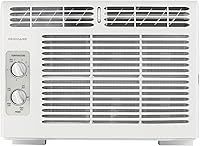
How Much Does It Cost to Run a Window Air Conditioner?
How much it costs to run a window air conditioner depends on kilowatt-hours used × your electricity rate. For example, using 4.8 kWh at 20 cents per kWh costs 96 cents in electricity.
On this page (8 sections)
- How do you calculate the cost to run a window air conditioner?
- Where can you find the air conditioner's power use?
- How can you measure a window unit's electricity use?
- Can an energy-monitoring smart plug measure an air conditioner?
- How do you choose a window air conditioner with running costs in mind?
- How can setup and care reduce running costs?
- Which mistakes make cost estimates less useful?
- How much does it cost to run a window air conditioner in your home?
How much it costs to run a window air conditioner comes down to energy used × your electricity rate. A unit using 4.8 kilowatt-hours at 20 cents per kilowatt-hour costs 96 cents for that period.
You can estimate from wattage before buying or measure an existing unit with a compatible energy monitor. The useful number is energy consumed over time, since the compressor may cycle off or change its power draw.
How do you calculate the cost to run a window air conditioner?
Multiply watts ÷ 1,000 × hours × rate per kilowatt-hour to estimate the electricity cost. This assumes the unit draws that wattage throughout the period.
For example, an 800-watt unit drawing that amount continuously for 6 hours uses:
800 ÷ 1,000 × 6 = 4.8 kWh
At 20 cents per kWh, that equals 96 cents per day. Over 30 identical days, the total would be 28 dollars and 80 cents.
These are example inputs, not a typical bill or a promise about your unit. Replace them with your air conditioner's power use, your schedule, and your electricity rate.
Use the charges that change with consumption, including applicable per-kWh delivery charges. Fixed monthly account fees generally don't increase because you run the air conditioner.
Time-of-use plans need another step: multiply energy used in each rate period by that period's rate, then add the results. The US Energy Information Administration's electricity explained guide provides background on electricity use and billing.
Where can you find the air conditioner's power use?
Find input watts on the nameplate or in the manual. Cooling capacity in BTU describes cooling output, not the electricity the unit consumes.
If only volts and amps appear, ask the manufacturer for running watts. Multiplying volts by amps doesn't always give actual power because power factor matters.
Label wattage helps with planning, but a full day's average may be lower when the compressor cycles. Hot weather, direct sun, air leaks, and a low thermostat setting can increase cooling demand.
How much does it cost to run a window air conditioner each month?
Multiply a representative day's measured kWh × electricity rate × days used. If weekday and weekend schedules differ, calculate those groups separately.
For example, don't multiply a weekend's all-day use by 30 if you normally cool the room only in the evening. Include several days when possible, and keep unusually hot days separate from mild ones.
An EnergyGuide label can help compare units before buying, but its annual estimate uses set assumptions. Your home, schedule, and utility rate will determine the actual bill.
How can you measure a window unit's electricity use?
Use a compatible energy meter that records kilowatt-hours, provided both manufacturers permit the connection. Check voltage, current limits, compressor startup demand, and any instruction to plug the air conditioner directly into a wall outlet.
If the manual requires a direct connection, skip the plug-in meter. Use a label-based estimate or ask an electrician about a suitable monitoring method.
For an approved setup, follow this routine:
- Record the starting kWh reading or reset the energy counter according to the meter's instructions.
- Run your normal cooling schedule for a full day or several days.
- Record the ending reading, elapsed time, thermostat setting, and weather.
- Multiply the difference in kWh by your usage rate.
Compare similar conditions when judging changes. A cooler day can reduce consumption even if your new thermostat setting or cleaning routine made little difference.
Who should choose the MECHEER meter?
Choose the MECHEER for readings at the outlet and saved consumption totals. Its backlit display suits a dim corner, while data memory retains consumption records when it is unplugged.
You can view power, voltage, current, power factor, and elapsed time alongside energy use. For this task, concentrate on cumulative kWh rather than repeatedly checking the live watt number.
Skip it if you want phone-based monitoring or cannot confirm air conditioner compatibility. Its adjustable overload warning is not permission to connect a load: the 3,680-watt threshold must not be treated as an approved operating limit.
Who should choose the Kill A Watt monitor?
Choose the Kill A Watt for a straightforward kWh reading without a phone. Its large LCD and support for electricity-expense calculations suit someone measuring one approved appliance at a time.
It's designed for standard 115-volt AC appliances, with a 15-amp maximum and 125-volt maximum. Check the air conditioner's startup requirements as well as its normal running load before connecting it.
Skip this option if you need remote readings or the air conditioner's manual forbids an intermediate device. You can calculate a period's cost yourself from the recorded kWh and your utility rate.
Can an energy-monitoring smart plug measure an air conditioner?
An energy-monitoring smart plug is an option only when both manufacturers approve the use and all load limits are met. Choose one for app access, not as a shortcut around checking compressor compatibility.
The Emporia pack includes 4 plugs for 120-volt devices. Each has a 10-amp continuous limit and a 15-amp peak limit for up to 1 hour per day.
This pack suits someone who also wants to track compatible lamps, fans, or other household devices. Remote control requires 2.4 GHz Wi-Fi and an internet connection.
Skip it for any air conditioner whose running or startup demand falls outside its limits, or whose instructions prohibit smart plugs. A peak allowance doesn't by itself confirm suitability for compressor startup.
Use the air conditioner's own timer when available. Before scheduling power through a plug, confirm the unit permits external switching and follow its restart-delay instructions.
How do you choose a window air conditioner with running costs in mind?
Choose the right cooling capacity first, then compare energy-use information among units that fit your room and window. Buying a larger unit simply to cool faster can lead to short cycles and poorer humidity control.
An undersized unit may struggle to reach the set temperature. Our guide to what size air conditioner you need for a room covers room area and other sizing factors.
Compare efficiency figures under the same standard, along with estimated annual energy use. Look beyond the purchase decision and consider how many hours you'll cool the room each season.
Frequent users have more reason to weigh efficiency differences than someone cooling a guest room occasionally. An existing unit's measured consumption also gives you a useful starting point for comparing replacement options.
If you're weighing different unit types, see portable versus window air conditioners. Installation fit and room layout matter alongside energy use.
How can setup and care reduce running costs?
Seal gaps, preserve airflow, and reduce incoming heat so the unit has less work to do. Follow the manual and our window air conditioner installation guide for support, positioning, and sealing.
Keep curtains and furniture away from indoor vents. Leave the outdoor section's required clearance, and never cover it while the unit runs.
Close doors to spaces you don't intend to cool and shade windows during direct sun. A fan can help you feel comfortable at a higher thermostat setting, but turn it off when nobody needs the breeze.
Clean or replace the filter on the manufacturer's schedule, checking more often in dusty conditions. Follow our window air conditioner cleaning guide for care steps, and disconnect power before cleaning as instructed.
Which mistakes make cost estimates less useful?
The biggest mistake is treating switched-on time as continuous compressor operation. Multiplying maximum or label wattage by every hour can overstate use when the unit cycles.
Other mistakes include:
- Confusing watts with kWh: Watts describe power at a moment; kWh measures energy over time.
- Using cooling BTU as electrical input: It cannot replace watts in the cost formula.
- Entering the rate incorrectly: Twenty cents is 0.20 dollars, not 20 dollars.
- Leaving old totals on the meter: Record a starting reading before each comparison.
- Ignoring changing weather: Compare similar days before crediting a change with savings.
Turning the thermostat far below your target won't make a conventional unit cool faster. Set the temperature you want rather than creating extra cooling demand.
How much does it cost to run a window air conditioner in your home?
Use your measured kWh and your utility rate to decide what your cooling schedule costs. For planning before buying, use input watts and expected hours, allowing for changes in compressor operation.
Choose MECHEER for local readings with saved totals, Kill A Watt for simple outlet-based tracking, or Emporia for app monitoring across compatible devices. Skip plug-in monitoring when the connection isn't approved.
If you're replacing the unit, settle room size and window fit before comparing efficiency. Our guide to the best window air conditioner helps you choose a model for the space you actually need to cool.
Frequently asked questions
How much does it cost to run a window air conditioner per hour?
At an average draw of 800 watts and a rate of 20 cents per kilowatt-hour, running a window air conditioner costs 16 cents per hour. Your cost depends on average power use, which changes as the compressor cycles or varies its output, and on your utility's usage rate.
Does a window air conditioner use a lot of electricity?
A window air conditioner can make up a noticeable share of electricity use when it cools a room for many hours daily. Measure its kilowatt-hours over a representative period, then compare that total with the household usage on your bill to see how much it contributes.
Can I use a smart plug to measure a window air conditioner?
Use a smart plug only when both manufacturers permit the connection and its limits cover the air conditioner's running load and startup demand. A plug that fits the outlet may still be unsuitable for a compressor, so confirm compatibility before connecting it or using remote switching.
How can I lower the cost of running a window air conditioner?
Reduce incoming heat, keep airflow clear, and avoid cooling an empty room unnecessarily. Close windows and doors, shade direct sun, and clean the filter according to the manual, while choosing a comfortable thermostat setting and accounting for people, pets, humidity, and temperature-sensitive belongings.