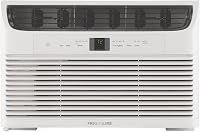
Which Air Conditioner Brands Have Had Recalls?
There isn't enough evidence here to name whole air conditioner brands to avoid. Midea, Frigidaire, LG, and GE have had recalls for specific models, so check the exact model and serial numbers before buying or using a unit.
On this page (7 sections)
- Which air conditioner brands have had recalls?
- Which air conditioner brands should you avoid?
- How do you check whether your AC is recalled?
- What should you do if your air conditioner is recalled?
- What should you compare before choosing a replacement?
- Which setup and care mistakes should you avoid?
- How should you make the final buying decision?
There isn't enough evidence here to name whole air conditioner brands to avoid. The useful distinction is between a recalled model, a poor fit for your room, and a suitable unit from the same brand.
Midea, Frigidaire, LG, and GE have had recalls involving specific air conditioners. Check the exact unit before buying, then compare room coverage, window fit, and upkeep rather than choosing by logo alone.
The CPSC's recall search is the starting point for checking a model. An official notice explains which units are affected and what action to take.
Which air conditioner brands have had recalls?
Midea, Frigidaire, LG, and GE have appeared in air conditioner recall notices, but the products and hazards differ. A recall involving one design doesn't guarantee the status of another model.
In June 2025, Midea announced a recall of certain U and U+ window air conditioners sold under several brand names, including Frigidaire. The notice identified pooled water and mold growth as concerns.
Read our guide to what the Midea U-shaped air conditioner recall covers for that product family. Match the identifiers in the official notice before deciding whether your unit is included.
LG has also had a recall involving specific portable AC models. A GE recall covered certain Zoneline packaged terminal air conditioners and heating units, a different category from a small window AC.
Those distinctions matter when shopping for a replacement. A brand name shared with a recalled product is a reason to check the model, rather than proof that every current unit has the same issue.
Which air conditioner brands should you avoid?
Avoid an affected unit without a completed recall remedy, and skip any model that doesn't fit your room or window. The facts here don't support a blanket rejection of an entire brand.
Keep the safety check separate from the buying decision. A unit can fall outside a recall and still be too small for your room, awkward to install, or unsuitable for your preferred controls.
For normal feature differences, our GE versus Frigidaire comparison and Frigidaire versus LG window air conditioner comparison can help narrow your options.
Air conditioner brands to avoid buying used: what matters?
A readable identification label matters more than the brand name when checking a used AC. Pass on a unit if you can't guarantee its model or resolve questions about an applicable recall.
If a seller says a recall repair is complete, ask for documentation tied to that unit. Don't assume that cleaning, replacing a filter, or making an unrelated repair fulfills the official remedy.
Also inspect the cord, cabinet, mounting parts, and exhaust connections where applicable. Missing hardware can turn an apparently convenient replacement into a unit you can't install correctly.
How do you check whether your AC is recalled?
Use the complete model number and any required serial number from the air conditioner itself. Appearance, cooling capacity, and a shortened product name aren't precise enough.
- Find the identification label, using the manual to locate it if needed.
- Photograph the label and record every letter and digit.
- Search the CPSC recall database by brand, model, or product name.
- Read the full notice, including serial-number ranges and manufacturing dates.
- Follow the stated instructions if the unit matches.
Don't remove a heavy window unit just to reach a label without planning how to support it. If access is difficult, ask the installer or building manager for help.
Contact the company through the official notice if any identifier is unclear. A partial match needs clarification before you treat the unit as unaffected.
What should you do if your air conditioner is recalled?
Follow the official notice, including any instruction to stop using the unit. The remedy may be a repair, replacement, refund, or another action specific to that recall.
Keep the label photo, purchase records if available, and any case number together. Follow the company's instructions for documenting the unit before returning or disposing of anything.
Don't improvise a repair or assume routine maintenance resolves the hazard. Recall instructions take priority over ordinary cleaning and operating advice.
If you rent, notify your landlord or property manager. They may need to arrange access, removal, or service, especially for a built-in unit.
What should you compare before choosing a replacement?
Match room size and installation type first, then compare controls and care needs. Our overview of window, portable, and through-the-wall air conditioners explains which setups suit different spaces.
Measure the room's length and width, then consider strong afternoon sun, ceiling height, and openings into other rooms. A small unit intended for one enclosed room shouldn't be expected to cool an open apartment.
Oversizing can also hurt comfort because short cooling cycles may leave humidity behind. Use our guide to what size air conditioner you need before choosing by the largest BTU number.
For portable units, compare the same capacity standard across models. ASHRAE and DOE figures describe capacity differently, so a large headline number isn't a fair shortcut for comparing unlike units.
The 3 options below serve different setups. They aren't a recall clearance list; check the exact replacement model before buying.
Black+Decker: choose it when a floor unit suits the room
The Black+Decker portable AC suits someone who wants a floor-standing unit with a window exhaust connection. It combines cooling, dehumidifier, and fan modes, with an included exhaust hose and window kit.
Its capacity is 10,000 BTU ASHRAE, with 5,550 DOE stated in the core specifications. BLACK+DECKER recommends it for rooms up to 450 sq ft, but heat exposure and room layout still affect sizing.
The Follow Me remote can act as the thermostat near your seating area. Keep it away from direct sun or other heat sources so its location reflects where you want comfort.
Choose this option if you have suitable floor space beside a compatible window. Skip it if you can't vent outdoors or if the hose would block a walkway.
Casters and handles help with movement, but the unit weighs 48.6 lb. Moving it between floors requires more planning than rolling it across a room.
GE: choose it for simple small-room controls
The GE window AC suits a small bedroom or office where you want mechanical dials without an app. It offers 2 cooling modes, 2 fan speeds, and a washable filter.
Its double-hung window requirements are 27.125–36 inches wide, with an opening at least 13.375 inches high. Measure the clear opening rather than the outside trim.
Choose GE if those dimensions work and you prefer setting the unit directly. Skip it for a larger connected space, an incompatible window, or a setup where remote control is a priority.
GE specifies sound levels of 52 dBA on low and 56 dBA on high. If you're sensitive to bedroom noise, account for the unit's position near your bed rather than treating “quiet” as silence.
LG: choose it when the narrower window fit helps
The LG LW5023 suits a small room with a narrower double-hung window. Its installation kit accommodates widths of 21–35 inches and an opening at least 12 inches high.
It shares GE's small-room coverage, while offering mechanical controls, 2 cooling modes, and 2 fan speeds. The narrower minimum window width is a useful reason to choose it when GE won't fit.
LG specifies sound levels as low as 50 dB in low mode. That figure doesn't guarantee how quiet it will feel beside your desk or pillow.
Choose LG if its window range fits your space and you want straightforward controls. Skip it if you need to cool several rooms or have a sliding or casement window without a suitable installation solution.
Which setup and care mistakes should you avoid?
Install the unit securely, seal the opening, and keep airflow clear. Gaps, blocked vents, and neglected filters can undermine a correctly sized AC.
For a window model, follow its mounting and support instructions rather than relying on the sash alone. Our window air conditioner installation guide explains the planning steps before lifting the unit into place.
For a portable AC, keep the exhaust hose as short and straight as the manual allows. Seal the window adapter and leave the required clearance around the unit.
Follow the electrical instructions and use the required outlet. Don't solve a short cord by adding an extension cord or power strip.
Check washable filters regularly and clean them according to the manual. LG calls for cleaning its filter every 30 days; dusty rooms may need more frequent attention.
Follow each unit's drainage directions rather than assuming all ACs handle water the same way. Keep curtains and furniture away from the intake and cool-air outlet.
How should you make the final buying decision?
When considering air conditioner brands to avoid, reject unresolved recall issues and poor installation fits first. Then choose the model that matches your room and daily use.
Pick Black+Decker if a vented floor unit suits your space and you want its remote thermostat function. Choose GE for simple small-room cooling when its wider minimum window opening fits.
Choose LG when its narrower window requirements solve your installation problem. If neither window unit fits, reconsider the AC type before improvising a mounting arrangement.
Start with our room air conditioner guide if you're still deciding between formats. Keep your room measurements, window opening, and exact model number together while comparing.
Frequently asked questions
Which air conditioner brands have had recalls?
Midea, Frigidaire, LG, and GE have had recalls involving specific air conditioner models, but that history doesn't identify every unit from those brands as affected. Search the CPSC recall database, then match the complete model number and any serial-number range or manufacturing dates against the label on your AC.
Does a recalled air conditioner mean the whole brand is unsafe?
No, a recall identifies particular products rather than every air conditioner a brand makes; its scope may depend on the model, production dates, or serial number. Use the official notice to decide whether your unit is affected, then assess other models separately for recall status, room size, and installation fit.
What should I do if my air conditioner is recalled?
Follow the official recall notice, including any direction to stop using the air conditioner, and contact the company through the details in that notice to request the stated remedy. Keep your model and serial numbers ready, and don't attempt an unapproved repair or continue operating a unit against the recall instructions.
How do I check whether my air conditioner was recalled?
Find your air conditioner's identification label and record the full model and serial numbers, then search the CPSC recall database by brand or product name and compare all identifiers with the notice. If a number is unreadable or the coverage is unclear, contact the company before assuming the unit is unaffected.