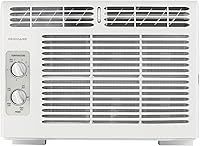
What Does the Midea U-Shaped Air Conditioner Recall Cover?
Check your unit's identifiers against the official Midea U-shaped air conditioner recall notice. Keep a potentially affected unit off while you confirm coverage and follow the notice's remedy instructions.
On this page (7 sections)
- What does the Midea U-shaped air conditioner recall cover?
- How can you check whether your unit is included?
- What should you do if your air conditioner matches?
- What if your unit isn't covered?
- How should you choose a replacement after a recall?
- What setup and care habits matter with a replacement?
- What is the next step for the Midea U-shaped air conditioner recall?
The Midea U-shaped air conditioner recall covers the units identified in the official recall notice, which explains the hazard and available remedy. Match your air conditioner's full model number and any other required identifiers before deciding what to do.
Keep a potentially affected unit off while you confirm coverage. If you need replacement cooling, check the remedy first, then choose an air conditioner that fits your room and window.
What does the Midea U-shaped air conditioner recall cover?
The official notice defines recall coverage, including the affected models and remedy instructions. A brand name or U-shaped design alone doesn't tell you whether your particular unit is included.
For a U.S. unit, start with the Consumer Product Safety Commission recall database and follow its manufacturer contact details. For a unit bought in another country, check the safety agency and recall information for that market.
Read the full notice before acting on a headline or social media summary. Pay attention to the identifiers, hazard description, use instructions, and steps required to receive the remedy.
Don't assume that another air conditioner is free of recalls because it has a different brand name. Check the exact replacement model through official recall sources before ordering.
How can you check whether your unit is included?
Copy the full identification details from your unit, then compare every field required by the notice. Keep letters, numbers, and suffixes intact rather than searching only for the model family.
- Leave a potentially affected unit off while checking.
- Use the manual to find the identification label.
- Photograph the label from a safe position or write down the full model and serial number.
- Compare those details with the official notice for your market.
- Contact the recall team if a character is unreadable or the result is unclear.
A receipt, order history, or manual can help you gather information, but don't substitute a similar model's details for your unit's label. Ask support what evidence it accepts if you can't access the required identifiers.
Don't lean outside, loosen fasteners, or shift a mounted unit just to read a label. Our guide to window air conditioner support brackets explains the support considerations involved in installation and removal.
What should you do if your air conditioner matches?
Follow the official remedy process before repairing, returning, or disposing of the unit. Save the recall contact details, your case number, and any confirmation messages together.
Ask what documents or photographs are required and whether any parts must be retained. Disposing of the unit too early could leave you without information needed to complete the process.
Use the contact route in the official notice rather than instructions from a forum or an unsolicited message. Open the agency or manufacturer website directly if a message asks for payment or sensitive information.
If removal is required, arrange enough help to support the unit throughout the job. Our guide to installing a window air conditioner helps with general planning, while the recall instructions govern the affected unit.
Can you keep using it while checking the Midea U-shaped air conditioner recall?
Keep a potentially affected unit off until you've confirmed the applicable instructions. Follow the notice's directions about unplugging, handling, and the remedy.
Normal cooling, quiet operation, or a clean interior doesn't resolve a recall concern. Routine cleaning and a home repair aren't substitutes for the official remedy.
What if your unit isn't covered?
Confirm that you've checked the right market and every required identifier before treating the unit as outside the notice. Keep your model details and the notice with your appliance records.
If the unit develops an operating problem, contact Midea for service guidance even if it falls outside this recall. Recall coverage and the cause of a particular fault are separate questions.
Our guide to air conditioner brands that have had recalls explains how to approach recall checks across brands. Use official notices to make the final decision about an individual unit.
How should you choose a replacement after a recall?
Choose by room size, window fit, and daily use, after checking whether the remedy meets your needs. Buying immediately can mean paying for cooling you may not need to replace yourself.
Measure the room's length and width, then consider ceiling height, strong afternoon sun, and heat from cooking or nearby appliances. Our guide to what size air conditioner you need explains how those conditions affect sizing.
Avoid choosing the largest unit just because it fits the window. An oversized air conditioner can cool a room quickly and shut off before removing enough moisture, while an undersized unit may struggle during hot weather.
Measure the window opening separately from the appliance cabinet. Required opening sizes must allow for the installation hardware, and an old U-shaped unit's bracket or seals shouldn't be assumed compatible with a replacement.
If your window can't accept a suitable window unit, compare the alternatives before ordering. Our guide to window, portable, and through-the-wall air conditioners explains which setup fits each type of space.
LG: for straightforward cooling in a medium room
Choose the LG for remote adjustments and simple daily controls. It suits a bedroom, home office, or enclosed living area where you want cooling without managing a phone app.
The LG includes Auto Cool, a 24-hour timer, and 4-way air deflection. Aim the airflow into the room rather than toward a curtain or directly across your desk.
Its washable filter and filter reminder help with routine care. Auto Restart restores operation after a power outage, so consider your preferred settings before leaving the room unattended.
Skip this option for a large, open living space or if app control is essential. LG specifies sound as low as 53 dB in low mode, so buyers sensitive to compressor noise should weigh bedroom placement carefully.
Frigidaire: for adjustable overnight comfort
Choose the Frigidaire if Sleep Mode and airflow direction matter most. It suits someone who wants a room cooler at bedtime but prefers the temperature to rise gradually overnight.
Its 6-way directional airflow gives you more ways to steer air away from a bed or seating area. The 24-hour timer can match a regular schedule, and Clean Filter alerts prompt maintenance.
Dry Mode offers a separate moisture-removal setting, while Eco Mode provides another way to manage operation. Start with a comfortable temperature and adjust one setting at a time so you can judge the effect.
Skip it if you need phone or voice control, or cooling for a substantially larger space. Frigidaire specifies 54 dBA, so don't choose between it and the LG based only on their small stated sound difference.
GE: for a larger room and remote scheduling
Choose the GE for a larger living area where app control is useful. Its SmartHQ connection lets you monitor, schedule, and control cooling away from the unit.
It works with Amazon Alexa and Google Assistant and includes a remote. Eco Mode turns off the fan and compressor when the room is cool enough.
GE specifies a double-hung window opening 25–36.625 inches wide and at least 14.563 inches high. Check that opening before choosing it, and arrange help handling its 63.6 lb weight.
Skip this unit for a small room that needs less cooling or a window outside its installation requirements. Its larger capacity won't reliably cool several closed rooms through a hallway.
What setup and care habits matter with a replacement?
Install the new unit according to its own manual, using compatible hardware and the required support. Old mounting parts, foam seals, and brackets may not suit a different cabinet design.
Check the window frame's condition and the electrical requirements before lifting the unit into place. Use a suitable wall outlet, avoid extension cords and power strips, and follow the manual's directions for grounding and circuit needs.
Seal gaps around the installed unit and keep curtains clear of the intake and outlet. Follow the specified drainage angle rather than guessing, and don't drill drainage holes unless the manufacturer directs it.
Set the thermostat to a comfortable target instead of lowering it sharply to chase faster cooling. Keep doors and windows closed in the cooled area, and use timers around your actual routine.
Disconnect power as directed before maintenance, and let a washed filter dry fully before reinstalling it. GE calls for filter cleaning every 30 days; follow each model's manual and inspect more often in dusty rooms.
Our window air conditioner cleaning guide covers routine care. Cleaning helps airflow, but it doesn't change recall coverage or replace a required remedy.
What is the next step for the Midea U-shaped air conditioner recall?
Resolve your unit's recall status before choosing replacement cooling. Keep its identifiers, case details, and remedy instructions together so you can complete the process without repeating the search.
Pick the LG for straightforward controls, the Frigidaire for overnight temperature adjustment, or the GE for a larger room with app scheduling. Skip any option that fails your room-size or window-fit checks.
For the Midea U-shaped air conditioner recall, the official notice remains your source for coverage and remedy steps. If replacement is needed, use our air conditioner sizing guide before narrowing the choice.
Frequently asked questions
How do I know if my Midea U-shaped air conditioner is recalled?
Match your unit's full model number and any other required identifiers to the official recall notice; use the Consumer Product Safety Commission or Midea's official recall information, rather than a retailer's product title. Keep a potentially affected unit off and contact the recall team if coverage is unclear.
Should I stop using a recalled Midea U-shaped air conditioner?
Stop using an affected unit and follow the official recall instructions for your exact model; keep a potentially affected unit off while you confirm coverage, too. Follow the notice's directions about disconnecting, handling, and arranging the remedy; normal cooling and a clean filter don't confirm that continued use is safe.
Where can I find the model and serial number?
Find the identification label on the air conditioner, using its manual to locate it; copy the full model and serial number, including letters and suffixes, or take a clear photo from a safe position. If the label is inaccessible, contact Midea rather than leaning outside or loosening the mounted unit.
Does every Midea U-shaped air conditioner have the same recall coverage?
Determine coverage from the official notice for your exact unit and market; a shared brand, similar shape, or matching cooling capacity isn't enough to decide. Compare every identifier the notice requires, and ask the recall team to resolve missing or unreadable details before treating your unit as outside the recall.