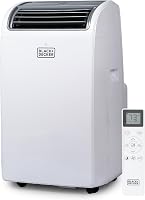
Does a Hisense Portable AC Need to Be Drained?
Yes, most Hisense portable ACs need draining. Water builds up in the internal tank and the unit shuts off when it fills, so you empty the tank or attach a drain hose.
On this page (8 sections)
- Why does a Hisense portable AC collect water?
- How do you know when the tank needs emptying?
- How do you drain a Hisense portable AC tank by hand?
- When should you use the continuous drain hose?
- What happens if you never drain a portable AC?
- Does the venting setup affect how much water collects?
- How do you keep the drain and coils clear?
- How often should you drain yours?
Yes, most Hisense portable ACs need draining. Water pulled from the air collects in an internal tank, and the unit shuts off when that tank fills.
You either empty the tank by hand or connect a drain hose for continuous draining.
A portable AC removes moisture as it cools, and that water has to go somewhere. Knowing where it goes and how to get it out keeps your unit running through the hottest weeks.
Why does a Hisense portable AC collect water?
A portable AC makes water because cooling the air wrings moisture out of it. Warm, humid air passes over cold coils, and the water vapor condenses into droplets, just like on a glass of iced tea.
A Hisense portable unit handles that condensate in one of two ways. Some models let the water drip onto the condenser and evaporate with the exhaust heat.
Most Hisense portable ACs also have an internal tank that holds the water until someone empties it.
The split matters for how much draining you do. A unit that mostly evaporates its condensate fills its tank slowly.
A unit running in a muggy room can fill it much faster. Either way, the tank is there, and it needs attention.
Humidity is the biggest factor. In a dry climate or a well-sealed room, you might empty the tank once a day.
In a damp basement or during a rainy stretch, it can fill in a few hours. If you want a model that drains easily, our guide to the best portable air conditioners covers which units make the job simplest.
How do you know when the tank needs emptying?
The unit stops cooling and usually shows a full-tank light or code. Hisense portable ACs are built with a float switch in the tank, so the compressor cuts off when the water reaches the limit.
You'll notice the symptom before you see the light. The room stops getting cooler, the fan may keep running, and the display shows a warning.
Some units beep or blink an indicator.
Don't ignore the shutoff and keep pressing buttons. The tank is full, and the unit won't cool again until it's emptied.
Treat the light as the cue to drain, not a fault.
If the unit shuts off but the tank looks nearly empty, check the float and the tank seating. A tank that isn't pushed all the way in can trigger the switch too.
Reseat it and try again.
How do you drain a Hisense portable AC tank by hand?
Turn the unit off, pull the tank out, and pour the water down a drain. On most Hisense portable ACs the tank slides out from the back or bottom, and a plug or cap covers the outlet.
Start by switching the unit off and unplugging it. Wait a minute so the coil stops dripping.
Then slide the tank free and carry it level so water doesn't slosh out.
Empty it into a sink, tub or floor drain, and rinse the tank if it smells. Dry the outside before sliding it back.
Push it in until it clicks or seats fully, or the float switch won't reset.
Some Hisense portable ACs use a small drain cap on the back of the cabinet rather than a removable tank. For those, place a shallow tray underneath, unscrew the cap, and let the water run out.
Tighten the cap before you restart the unit.
When should you use the continuous drain hose?
Use a drain hose when you want to skip the daily tank check. A gravity hose runs from the drain outlet to a floor drain, bucket or condensate pump, and the water leaves on its own.
Gravity draining works only when the hose slopes down the whole way. The outlet sits low on the cabinet, so the bucket or drain must be lower than that point.
A hose that loops upward traps water and backs up into the tank.
Many Hisense portable ACs include a drain outlet for this setup, and some models add a built-in condensate pump. A pump pushes water uphill, which helps when your only drain is a sink or window.
Check your model's manual for the outlet size and whether a pump is included.
Keep the hose short and straight where you can. A long, kinked hose slows the flow and can let water pool.
Empty the bucket before it tops out, especially if you run the unit overnight.
What happens if you never drain a portable AC?
The unit shuts off when the tank fills, so you lose cooling. That's the first consequence, and it's the one you'll notice on a hot afternoon.
The second is water quality. Standing water in a warm cabinet gets stale and can grow a musty smell.
That smell then blows into the room with the cooled air. Draining regularly and rinsing the tank keeps the air fresher.
There's also a spill risk. A full tank is heavy, and tilting or bumping the unit can send water out the back or onto the floor.
Water near the outlet and cord is a safety concern, so keep both dry.
A portable AC that keeps shutting off with a full-tank light in dry conditions points to a drainage problem, not just humidity. Check that the hose isn't kinked and the outlet isn't clogged before you assume the unit is failing.
Our post on whether portable AC units need to be vented explains the related exhaust side of setup.
Does the venting setup affect how much water collects?
A sealed window setup doesn't change how much moisture the AC pulls out, but it does change how hard the unit works. A leaky window lets humid outdoor air back in, so the AC processes more moisture and fills the tank faster.
That's where a window kit helps. A vent kit holds the exhaust hose in the window opening and seals the gap around it.
Less hot, humid air sneaking in means less condensate and less tank emptying.
The JENCEAILL kit fits vertical and horizontal sliding windows, with four 16.9 inch seal plates and a 5.9 inch hose. It includes 16 feet of sealing tape for the gap between the panel and the frame.
Check the hose thread direction against your Hisense unit before buying.
For casement, crank-out or skylight windows, a fabric seal is the better fit. The IKSTAR kit wraps the window frame and zips around the hose, with no drilling.
It fits window perimeters up to 157 inches and works with single and dual hose units. Measure the frame first, since the seal is sized by perimeter.
A tight seal supports efficient cooling and reduces how often you drain.
How do you keep the drain and coils clear?
Rinse the tank, check the outlet, and clean the coils so water keeps moving. Mineral buildup and dust are the two things that slow drainage and cooling.
Empty and rinse the tank every few days during heavy use. A little warm water and mild soap removes the film that causes smells.
Let it dry before replacing it.
Check the drain outlet for lint or scale. A soft brush or a pipe cleaner clears a slow outlet; don't force a tool into the fitting.
If the hose runs to a bucket, look for kinks and lift the hose to check for a clog.
Coils matter too. Dust on the evaporator and condenser coils reduces cooling and can make the unit work harder in humid air.
A foaming coil cleaner loosens grime so it rinses away.
Simple Green's formula is non-caustic and non-flammable and self-rinsing on condensate-producing coils. It's NSF registered C1 and K5 for use around food areas.
Follow the label directions and let the coils dry before restarting the unit.
How often should you drain yours?
Check the tank daily in humid weather and every few days in dry air. The right schedule depends on your room, not a fixed calendar.
A bedroom unit running all night in summer may need emptying each morning. A garage unit in a damp climate might need it twice a day.
Watch the full-tank light for the first week and you'll learn your unit's rhythm.
If you'd rather not think about it, set up the gravity hose and a bucket, or use a model with a pump. That turns draining into an occasional bucket empty instead of a daily chore.
For a bedroom, our picks for a portable air conditioner for bedroom focus on quiet models with easy drainage. In a garage, see the portable air conditioner for garage guide for units built for tougher spaces.
Either way, the answer to does Hisense portable AC need to be drained stays the same. Empty the tank or run a hose, keep the outlet clear, and the unit will keep cooling.
Skip it and the full-tank switch will stop the unit for you.
Frequently asked questions
Does a Hisense portable AC need to be drained?
Yes. Like most portable air conditioners, a Hisense unit pulls moisture out of the air and collects it in an internal tank.
When that tank fills, the unit stops cooling until you empty it, so plan on draining it regularly during humid weather.
How often do you have to empty a Hisense portable AC tank?
It depends on the humidity in your room and how long the unit runs. In a damp space, the tank can fill in a few hours; in drier air, it may last a day or more.
The unit usually shuts off or shows a full-tank light when it's time.
Can you run a Hisense portable AC without draining it?
Only until the tank fills. The unit is designed to stop cooling when the internal tank reaches its limit, so skipping the drain leaves you with a unit that won't run.
Continuous draining with a hose is the way to avoid the chore.
Does a Hisense portable AC have a drain hose?
Many Hisense portable AC models include a drain outlet for a gravity hose, and some add a condensate pump for uphill draining. Check your model's manual, because the outlet location and hose size differ between units.
Can you drain a portable AC into a bucket?
Yes. A gravity drain hose can run from the drain outlet into a bucket or floor drain, as long as the hose slopes downward and the bucket sits below the outlet.
Empty the bucket before it overflows.